Cloud migration: the CIO’s new role
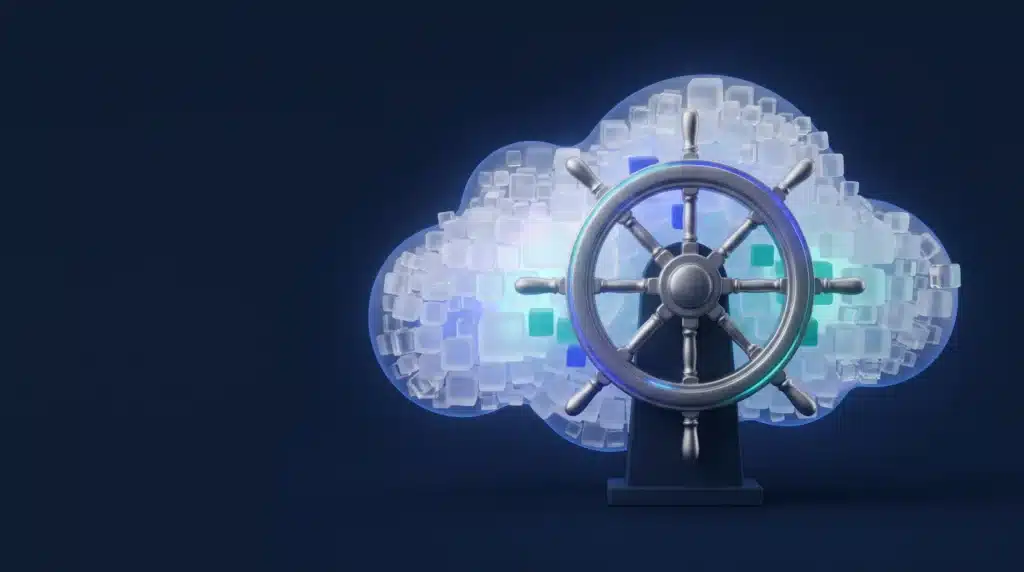
The Chief Information Officer (CIO), or IT director, manages a company’s entire IT unit.
With the development of the Internet and the rise of cloud services, the CIO’s role has changed a great deal in recent years.
Let’s take stock.
The role of the CIO
Originally, at the end of the 20th century, the CIO’s main mission was to supervise the company’s IT teams. The role then became a crucial element on which business leaders rely to drive innovation in order to generate more revenue.
The CIO knows every cog of the company’s IT system inside out. They propose IT solutions to support the company’s growth, achieve its objectives and resolve incidents.
Migrating to the cloud
The cloud and its impact on the business world need no introduction: a real digital revolution that has transformed companies’ habits. They have reviewed their strategy or, for many, are in the process of doing so.
And who supports companies in this process? The CIO, of course!
The cloud offers an agile environment. It strengthens team cohesion through the centralization of information. By deploying the flexible solutions offered by the cloud, the CIO is at the heart of innovation challenges.
The CIO advises the various business departments on choosing the IT solutions that meet their needs. SaaS, PaaS, IaaS… While these solutions are within everyone’s reach, the CIO’s expertise is crucial, particularly to control costs and resolve incidents quickly. But not only that.
Opening companies up to the Internet, and especially to the cloud, also opens the door to cyberattacks. The CIO ensures the feasibility and security of a cloud migration. Because transforming your information system can also lead to malfunctions and security flaws.
The CIO’s new missions
The CIO’s role will continue to change in the years to come. Digital innovation is now at the heart of the job, with the development of cloud infrastructure and new operating models.
The CIO must analyze and understand the economic benefits of new technologies to accelerate the company’s growth.
They will also be called upon to make decisions on the changes to carry out, and to take on the role of strategy director or head of digital transformation. Decisions that also concern human resources: a better employee experience, but also recruiting new talent to meet companies’ IT needs.
The rise of Artificial Intelligence, Machine Learning and business process automation will turn the business world upside down. The CIO will then be able to focus on data analysis and collaboration rather than on technology as such.
To sum up, the modern CIO will be able to manage the company’s digital transformation on the one hand, and work with executives to set the objectives of this transformation on the other. The CIO will be the guardian of the company’s digital identity.
Is cloud migration part of your plans? Our teams offer an audit of your existing setup, support with the new features and a trial migration. Shall we talk about it?